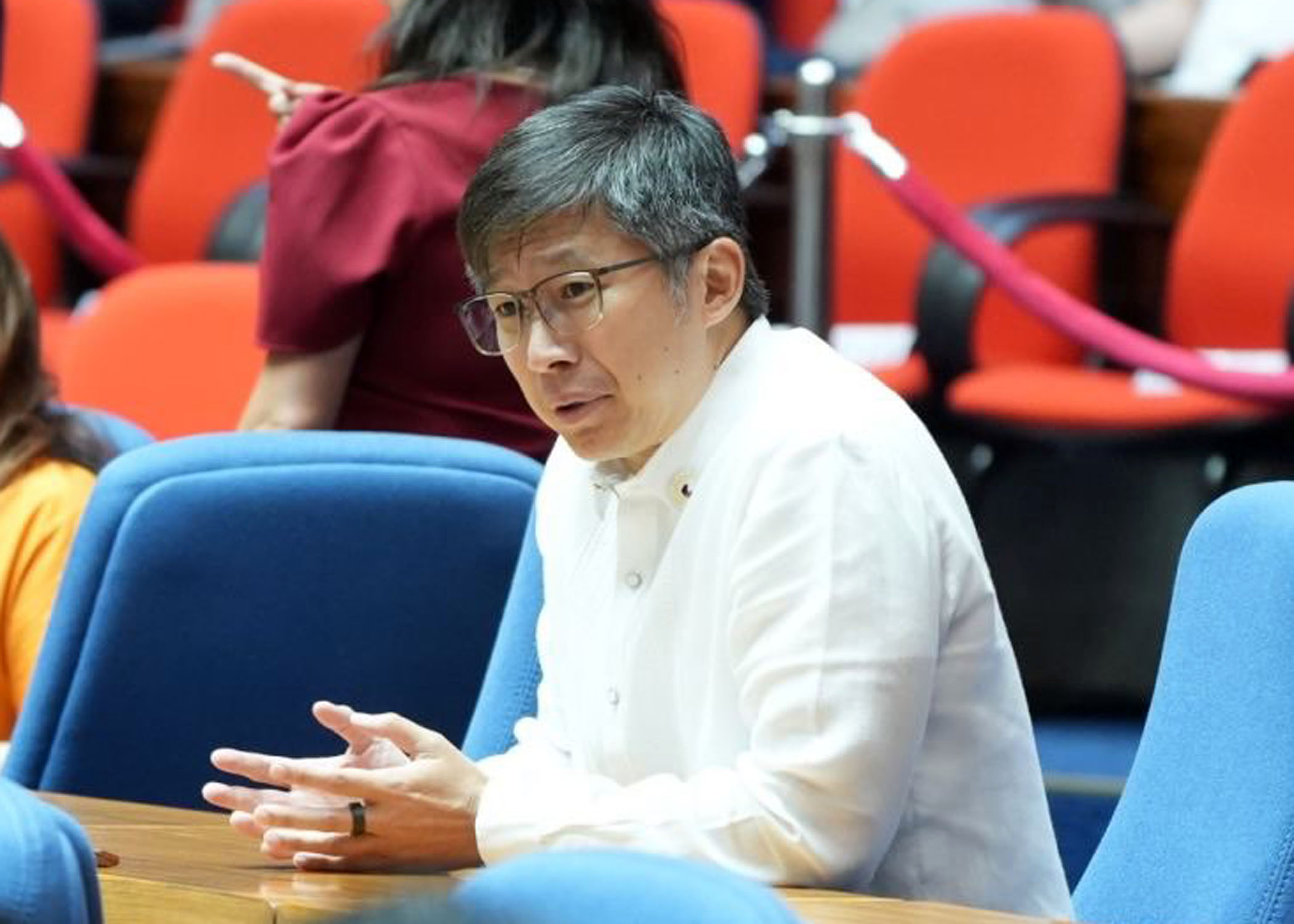
Benguet Rep. Eric Go Yap filed a resolution Wednesday seeking a congressional inquiry into the mining exploration activities of Crescent Mining and Development Corp. in Mankayan, Benguet, following escalating land disputes and ongoing community barricades.
House Resolution No. 1451, filed on Sept. 16, directs appropriate House committees to review the validity, renewal and implementation of the company’s Mineral Production Sharing Agreement No. 057-96-CAR. The probe will focus on compliance with the Philippine Mining Act of 1995, the Indigenous Peoples’ Rights Act of 1997 and environmental safeguards.
“We filed House Resolution 1451 calling for an inquiry into the circumstances surrounding the proposed exploration and mining activities in Mankayan by Crescent Mining and Development Corporation, not to prejudge any future mining project, not to oppose development, and certainly not to take sides before the facts are established,” Yap said.
Records from the Mines and Geosciences Bureau in the Cordillera Administrative Region show Crescent Mining holds an agreement covering approximately 533.4 hectares in Mankayan. The agreement spans from Nov. 12, 2021, to Nov. 12, 2046, with the project currently under exploration status.
Indigenous residents from the villages of Bulalacao and Guinaoang have opposed the exploration activities since 2025, raising concerns over potential damage to ancestral lands, agricultural areas, watersheds and local livelihoods.
The dispute has led to human barricades and court proceedings, resulting in a preliminary injunction that prohibits protesters from blocking access to proposed exploration zones. Crescent Mining maintains that its agreement is valid and that it has satisfied all statutory consent requirements.
“Our mountains have always provided for our people. They carry our water, sustain our livelihoods, hold our history, and form part of the identity and heritage of generations of Benguet. Kaya kung may tanong at pangamba ang mga residente, mga IPs natin, tungkol sa exploration activities for possible mining operations within or near their communities, government has a duty to listen,” Yap said.
Yap noted that while the activities are still in the exploration stage, now is the proper time to ask questions before irreversible decisions are made and questioned whether proper procedures were followed, if affected communities were genuinely consulted and if indigenous rights were respected.
“Nasunod ba ang mga tamang procedures at legal requirements? Were the affected communities genuinely and meaningfully consulted? Nirespeto ba ang mga karapatan ng nga Indigenous Peoples at mga requirements concerning ancestral domains? What exactly has been authorized at this stage? What safeguards are in place? Pinakaimportante sa lahat, were the people who may eventually live with the consequences given a meaningful voice from the very beginning? At isa sa pinaka fundamental na dapat sagutin nating lahat: for whom is development?” Yap asked.
The House resolution aims to determine if existing government mechanisms adequately protect indigenous rights while allowing responsible mineral exploration.
“We recognize that mineral exploration may eventually lead to investments, employment, revenues, and economic opportunities. We should not close the door to responsible development before the facts are known. But neither should we wait until a project has advanced much further before listening to the communities that may be affected. Dahil para sa Benguet, land is more than an economic resource. It is home. It is livelihood. It is heritage. It is identity. And for our Indigenous Peoples, our relationship with the land reaches across generations. From those who came before us to the children who will inherit what we leave behind,” Yap said.
He added that the inquiry should hear from all stakeholders, allowing national agencies to explain the permit processes and providing a platform for the community to voice their concerns.
“This inquiry should therefore hear everyone, mga apektadong residente, local governments, concerned national agencies, at yung mga proponents ng mining activities themselves. Let them explain their plans. Let the agencies explain the permits and processes that were followed. Let our communities explain their concerns. And then let the facts speak,” Yap said.
The lawmaker stressed that responsible development should not force stakeholders to choose between progress and the people, noting that communities whose environment and future are affected must always have a seat at the table.
“Naniniwala tayo na ang totoong development does not begin with what we can take from the land. Pero nagsisimula ito with listening to the people who call it home,” Yap said. NLMonitor