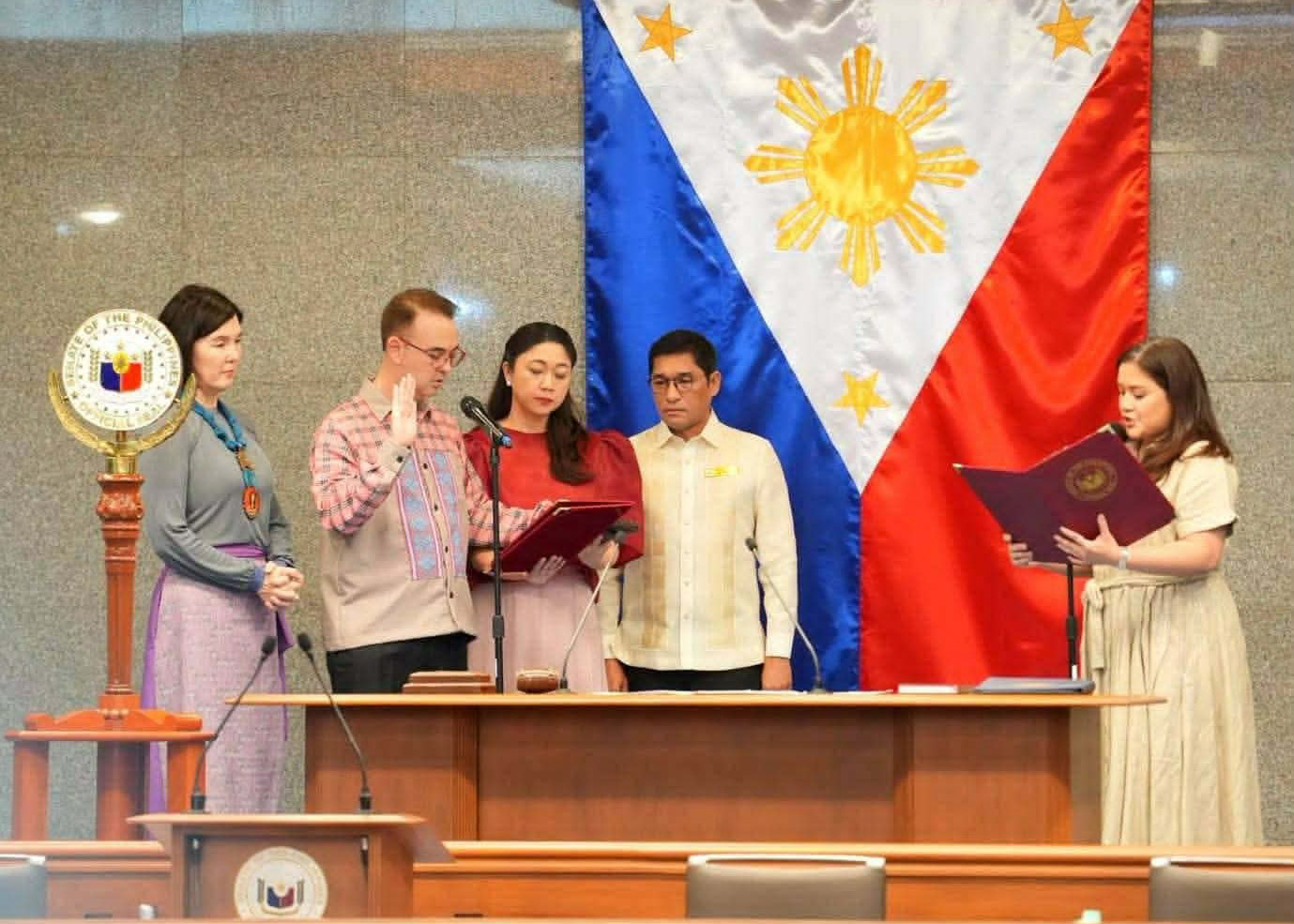
Senator Alan Peter Cayetano was elected as the new Senate president of the 20th Congress on Monday, May 11, 2026, following a leadership reshuffle.
His nomination was formally manifested on the plenary floor by Senators Imee Marcos and Joel Villanueva after a consensus was reached by a 13-member majority bloc.
In his acceptance speech after being sworn into office, Cayetano emphasized a commitment to bipartisan service, stating that he intends to serve all members of the chamber regardless of their affiliation with the minority or majority. He expressed his respect for the executive branch and the House of Representatives while vowing to maintain the integrity of the Senate.
Cayetano, a seasoned lawmaker, joins a select group of officials who have served as Senate president, speaker of the House, and secretary of foreign affairs. He most recently served as the Senate minority leader from September 2025 until May 10, 2026, and previously held the same role during the 15th and 18th Congresses.
The veteran legislator takes over the post from Senator Vicente “Tito” Sotto III during a critical period for the legislative body. The Senate is currently navigating significant national challenges, including a global oil crisis and the ongoing impeachment proceedings involving Vice President Sara Duterte.
The newly formed Senate majority consists of 13 senators, including Cayetano and the new Senate President Pro Tempore Loren Legarda. The bloc also includes Senators Pia Cayetano, Ronald “Bato” dela Rosa, Jinggoy Estrada, Francis “Chiz” Escudero, Christopher “Bong” Go, Rodante Marcoleta, Imee Marcos, Robinhood Padilla, Joel Villanueva, Camille Villar, and Mark Villar.
Addressing the chamber, Cayetano assured his colleagues of a fair and united direction, stressing that the Senate would be guided by evidence and truth. He called for an end to the divisiveness often seen on digital platforms, urging the body to focus on addressing poverty and corruption through civil discourse rather than the confrontational nature of social media. NLMonitor