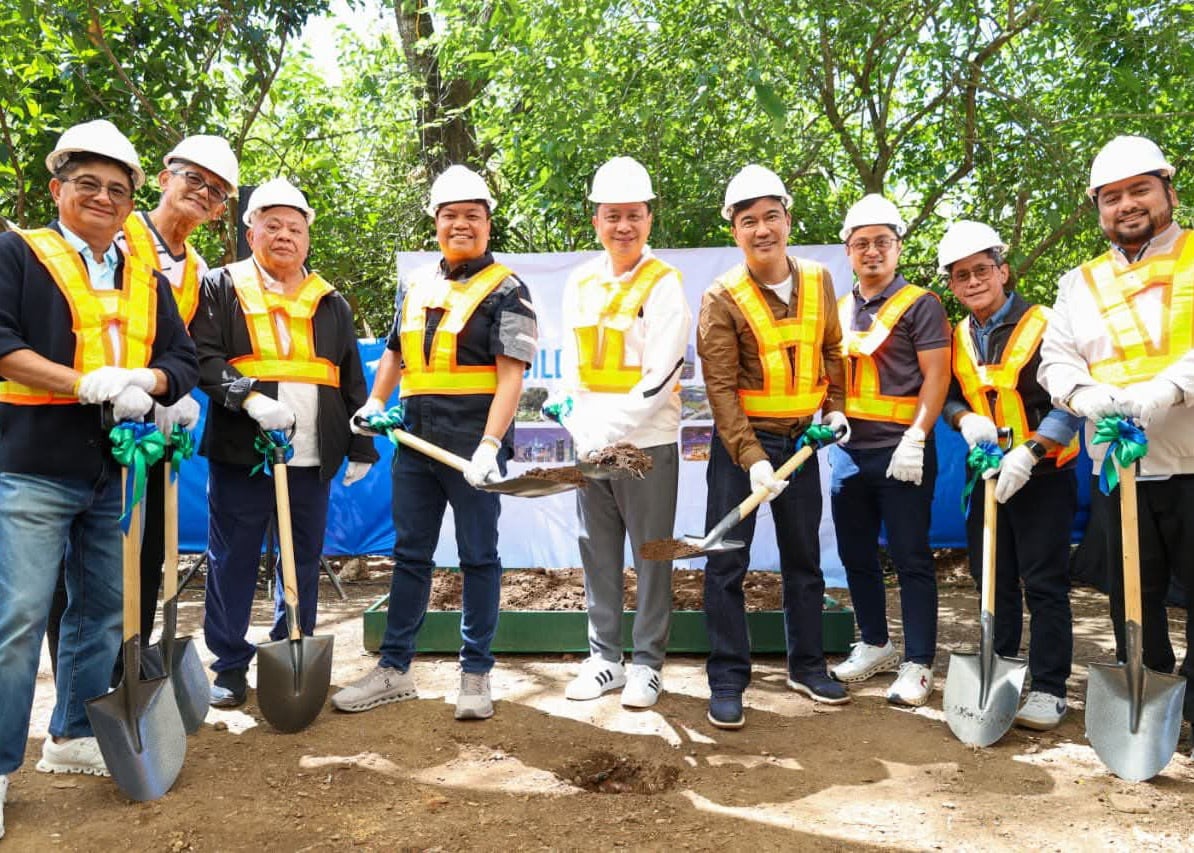
The Philippine Sports Commission and the Bases Conversion and Development Authority formalized a partnership Saturday to establish the John Hay Sports Center, a modern training facility located within Camp John Hay.
The project features a 5,000-square-meter multi-disciplinary facility situated on a 6,000-square-meter lot. Officials said the center aims to solidify Baguio’s status as a premier sports tourism destination while providing athletes with the advantages of high-altitude training.
PSC Chairman Patrick Gregorio described the collaboration as a mission rooted in responsibility. Gregorio, who previously assisted the BCDA during its January 2025 takeover of the estate while serving as a senior official at Landco under the MVP Group, noted the significance of the location.
Gregorio signed the memorandum of agreement alongside BCDA Chairman Hilario Paredes and BCDA President and CEO Joshua Bingcang. They were joined by John Hay Management Corp. President Manjit Singh Reandi, BCDA Senior Vice President Mark P. Torres, and PSC Commissioners Fritz Gaston and Walter Torres.
The center will accommodate various sports, including basketball, volleyball, futsal, netball, handball, and floorball. Paredes emphasized that the facility addresses a long-standing need for regional stability in athletic training.
“Many of our athletes from the Cordillera region have to travel far and train without stability,” Paredes said. “A regional training ground here in John Hay changes that. It gives our athletes… a place they can call their own.”
Paredes added that the milestone was achieved through cooperation, stating the project was moved forward without “politics or personal agenda.”
The facility’s concept was inspired by suggestions from UAAP board member Anton Montinola of Far Eastern University, who highlighted the demand for high-end, high-altitude venues for pre-competition camps. Officials hope the center will discourage teams from seeking overseas training by offering a local alternative with Baguio’s cool climate and elevation.
Gregorio, who also chairs the National Sports Tourism Inter-Agency Committee, set an ambitious timeline for the project, targeting completion within 12 to 16 months.
Beyond elite sports, the center will operate on a sustainable revenue model. While prioritizing national athletes, the facility will be open to professional teams, collegiate leagues, and the general public for reasonable user fees.
“This facility will strengthen national training while generating sustainable revenue to support our Regional Training Centers across the country,” Gregorio said. Roderick Osis