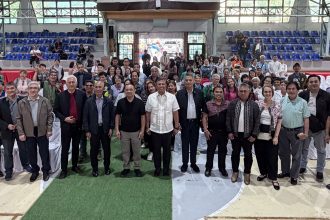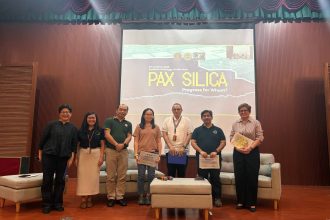
LA TRINIDAD, Benguet — Small-scale miners from across Benguet gathered Nov. 20 for Miners’ Family Day, calling for stronger legal protections and technical support to formalize their operations and transition to safer, mercury-free practices.
Held as part of the Adivay 2026 festival under the theme “BINNADANG: We Unite, Build, and Serve for a HEALTHIER Tomorrow,” the event drew support from BAN Toxics’ Compassionate Gold Project, which advocates for the welfare, rights and livelihoods of artisanal mining communities.
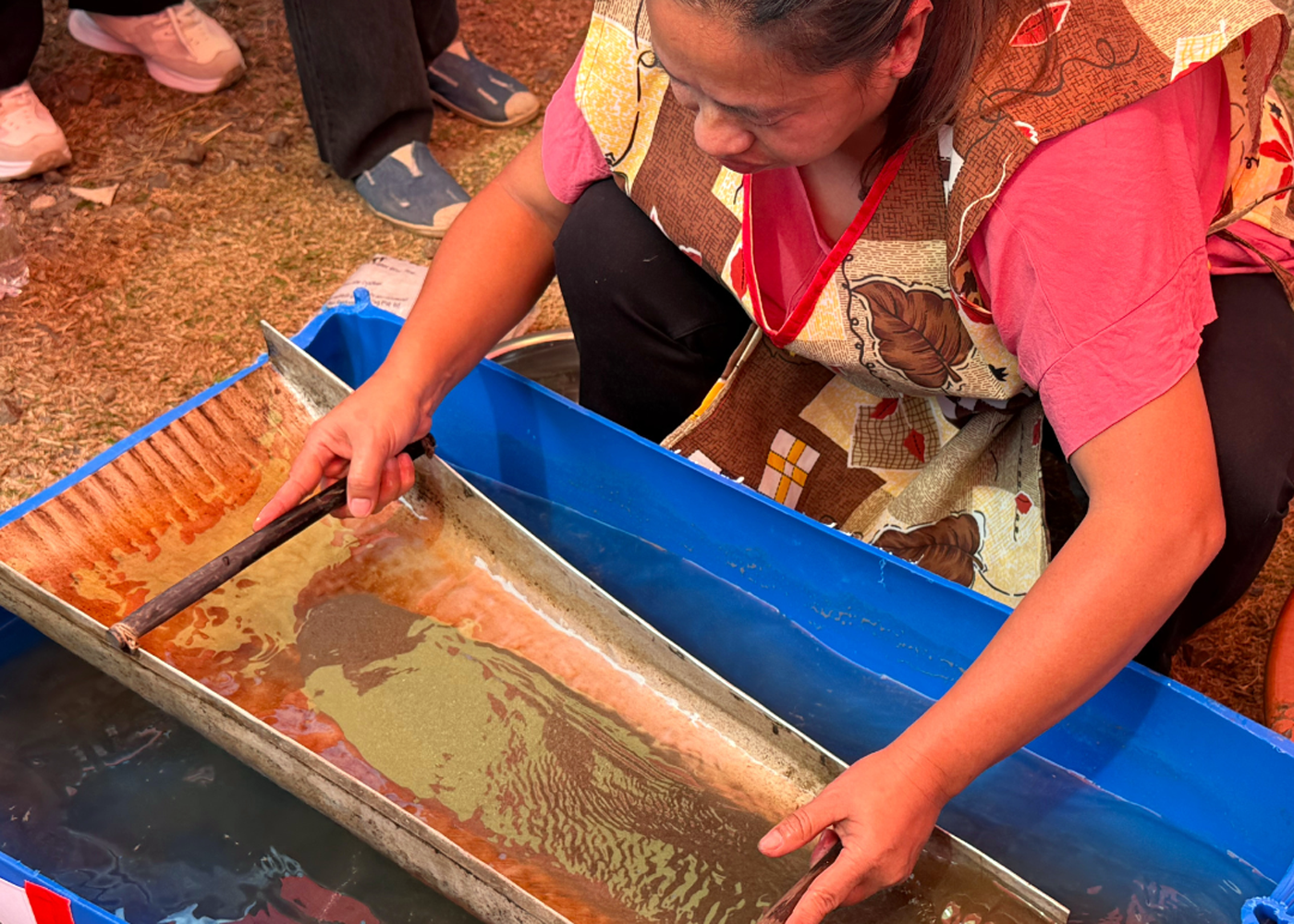
During the program, miners participated in the Small-Scale Miners’ Official for a Day (SSMOFAD) ceremony, stepping into local government roles alongside provincial and municipal officials. Attendees also demonstrated dayas, a traditional gold recovery method that highlighted the vital role women play in the sector.
While the gathering celebrated community heritage, mining leaders and advocates emphasized that systemic challenges persist, particularly regarding operational permits, access to clean technology and livelihood security.
To address these gaps, stakeholders voiced support for the proposed Minahang Bayan Act (House Bill No. 5840), which seeks to overhaul the 35-year-old People’s Small-Scale Mining Act of 1991 (Republic Act No. 7076). The proposed legislation aims to streamline permitting, promote inclusive local development and align the sector with international labor, gender equity and environmental standards.
Ricardo Liwayan, president of the Benguet Federation of Small-Scale Miners Inc., backed the bill, noting that existing laws must be updated to reflect the current realities of local mining communities.
Leoncio Na-oy, a small-scale miner and coordinator for the Compassionate Gold Project, said legislative reform must be paired with practical, on-the-ground assistance.
“Strengthening the law is an important step toward addressing the challenges faced by small-scale miners, particularly in formalizing their operations and ensuring their rights and livelihoods are protected,” Na-oy said. “The law should recognize the realities of small-scale mining communities and provide them with a clear and accessible pathway toward formalization.”
He added that shifting away from toxic chemicals requires concrete resources rather than policy mandates alone.
“Promoting responsible and mercury-free mining requires more than encouraging miners to change their practices,” Na-oy said. “They need access to appropriate technologies, research-based solutions, training and support to make this transition possible without compromising their livelihoods.”
Organizers said the dayas demonstration underscored the need for greater gender inclusion in industry decision-making, noting that recognizing women’s contributions is essential to building healthier, more resilient mining communities in the spirit of binnadang—or mutual cooperation. NLMonitor