
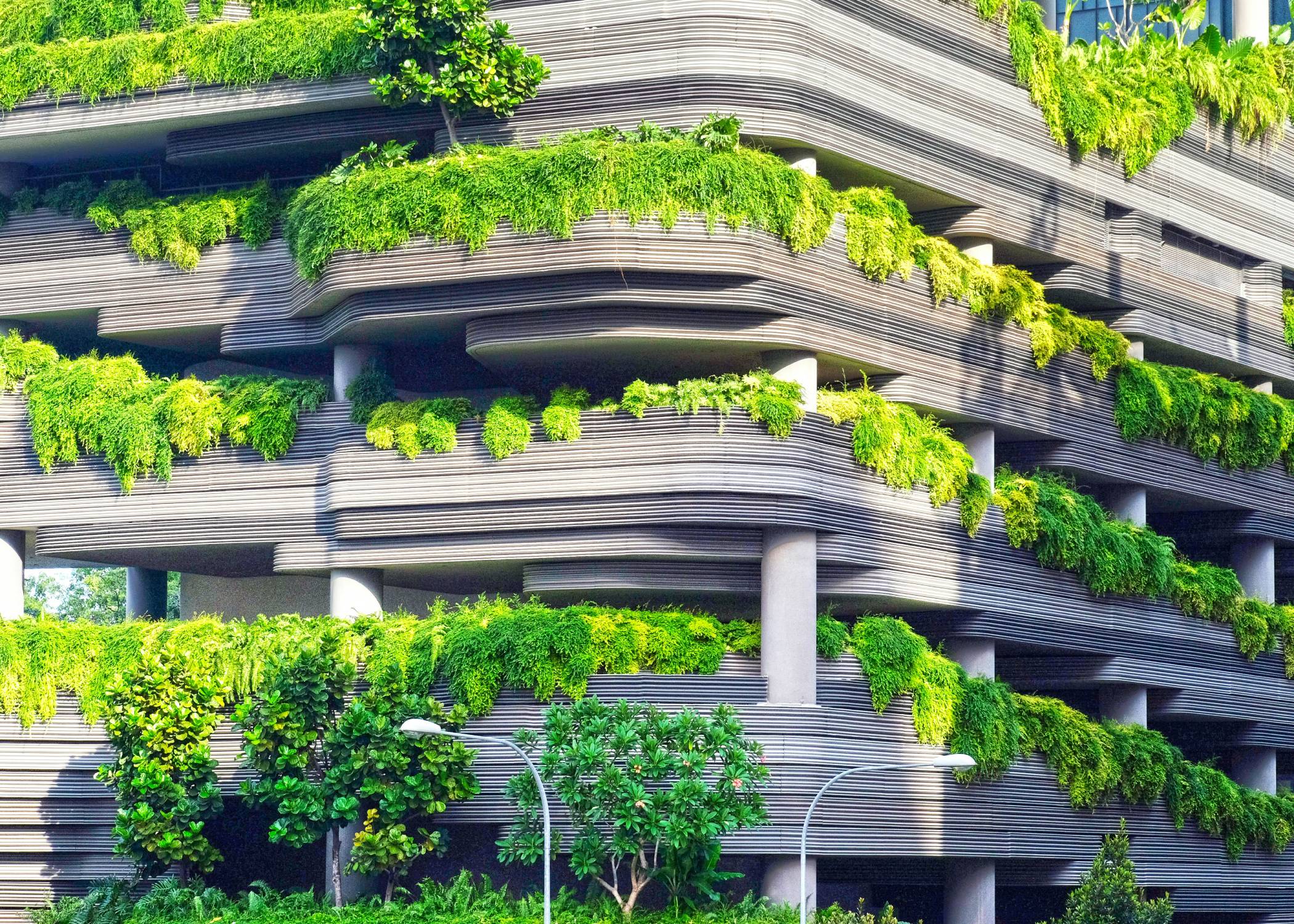
The Baguio City Council has approved on second reading and for publication a proposed ordinance that seeks to overhaul how buildings are designed, constructed, and operated by imposing stricter green standards tied to the city’s ecological carrying capacity in a bid to curb overdevelopment, reduce environmental degradation, and strengthen climate resilience in the highland urban urban center.
Principally authored by Councilor Paolo Savlosa and co-authored by Councilor Leandro Yangot Jr., the proposed Baguio Green Building Code sets a mandatory framework for all new construction, major renovations, and qualifying retrofits in the city, requiring compliance with the national Philippine Green Building Code as a baseline while imposing additional local standards tailored to Baguio’s steep terrain, fragile watersheds, and limited infrastructure capacity.
Under the measure, coverage is tiered based on building type, size, and location. Public buildings are subject to full compliance regardless of floor area, while commercial, institutional, mixed-use, and tourism developments become mandatory once they reach defined thresholds. Stricter rules also apply to projects on slopes of 18% or higher and those within watershed protection zones where geotechnical assessments and reforestation offsets are required even for smaller developments.
A central feature of the ordinance is its expanded green infrastructure requirement, particularly the mandatory installation of vegetated systems such as green roofs, vertical gardens, or equivalent installations covering at least 30% of roof area. These are paired with strict provisions on native plant species use, maintenance obligations, and structural certification, with penalties for failure to sustain vegetated coverage.
Developers are also required to provide reforestation offsets for cleared vegetation through on-site planting, off-site rehabilitation in designated areas, or payment into a city-managed green fund.
The ordinance further introduces performance-based standards on energy and water use, requiring reductions in projected energy consumption relative to national baselines and mandating efficiency measures such as natural ventilation, insulation, renewable energy integration, low-flow fixtures, rainwater harvesting, and greywater systems for large developments.
Buildings are also required to disclose actual energy and water consumption annually, with public reporting through a city-managed registry.
For tourism establishments, the measure imposes additional obligations including sub-metering of water use, waste audits, food waste diversion systems, plastic reduction measures, and mandatory guest-facing sustainability programs. Establishments will be evaluated and awarded a tiered “Green Tourism Mark” based on compliance level, with corresponding incentives such as tax reductions and regulatory advantages.
The proposal also introduces a Green Transferable Floor Area Rights (G-TFAR) system, allowing developers who exceed environmental standards to earn tradable development rights that can be sold to projects in lower-risk zones. This mechanism is intended to balance development pressure while ensuring that density remains within the city’s carrying capacity limits, with strict registration and annotation requirements tied to land titles and permits.
The ordinance phases in embodied carbon regulation, requiring initial disclosure of construction-related emissions, followed by future limits and eventual whole-life carbon assessment standards. Existing public buildings are also required to be retrofitted within ten years, while private structures are encouraged through tax incentives, technical assistance, and fast-track permitting.
Enforcement mechanisms are strengthened through integration into the permitting system, land registration, and tax declaration records, with violations subject to fines, stop-work orders, permit revocation, and loss of incentives.
A multi-sector Baguio Green Building Council is also created to oversee policy direction, designate transfer zones, and evaluate program performance, while implementation remains with existing city offices.
The ordinance additionally introduces a water and sanitation prerequisite for large developments, requiring certification from utility providers or demonstration of water-neutral design before permits are issued, reflecting concerns over Baguio’s long-standing water shortages and overstressed infrastructure systems.
The proposed ordinance will undergo public consultations and city council deliberations as the next legislative steps. Baguio City – Sangguniang Panlungsod