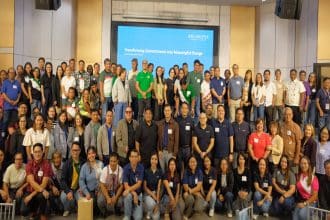
Workshop and Soft Launch of the Southeast Asia Regional Principle on Academic Freedom, University of the Philippines, Diliman, June 25-26, 2026
“Across Southeast Asia, governments, institutions, and surveillance apparatuses are quietly reshaping what it means to think freely. Today, we push back”, said Regional Director of SEACAF, Bencharat Sae-Chua.
The Southeast Asia Coalition for Academic Freedom (SEACAF), together with the All UP Academic Employees Union, Network in the Defense of Historical Truth and Academic Freedom, KIKA (Indonesian Caucus for Academic Freedom), UP Office of the Faculty Regent, the University of the Philippines, and partner institutions across the region, will hold the soft launch of the Southeast Asia Regional Principle on Academic Freedom: a framework that affirms the right to academic freedom and sets out a shared regional standard for protecting scholars, students, and universities. This soft launch marks the start of a continuing process; the Principle is not a set of abstract ideals, but a living document, one that acknowledges the regional situation requires regular monitoring, and so remains dynamic and open to change as necessary.
The launch comes at a moment when academic freedom in Southeast Asia is not merely under pressure. It is, in many contexts, under siege. In the Philippines, students who took to the streets to protest corruption have faced criminal charges, their activism met not with dialogue but with prosecution. The killing of nineteen people in Toboso, Negros Occidental in April 2026, among them University of the Philippines student leaders, a community journalist, and peasant rights researchers, has further underscored the dangers facing those who document and defend the rights of marginalised communities, including members of the academic community itself. In Thailand and Indonesia, academics and student movements critical of government policy operate under the shadow of laws that treat dissent as a threat to national stability. In Myanmar, the military junta’s assault on democracy has been inseparable from its assault on education: universities have been shuttered, scholars imprisoned, and an entire generation of students forced to choose between their safety and their right to learn. Researchers are surveilled. Curricula are politicised. Scholars face dismissal, detention, and silencing, not in spite of their academic work, but because of it. The question this Principle dares to ask is one that governments across the region would prefer left unasked: who gets to decide what is safe to know?
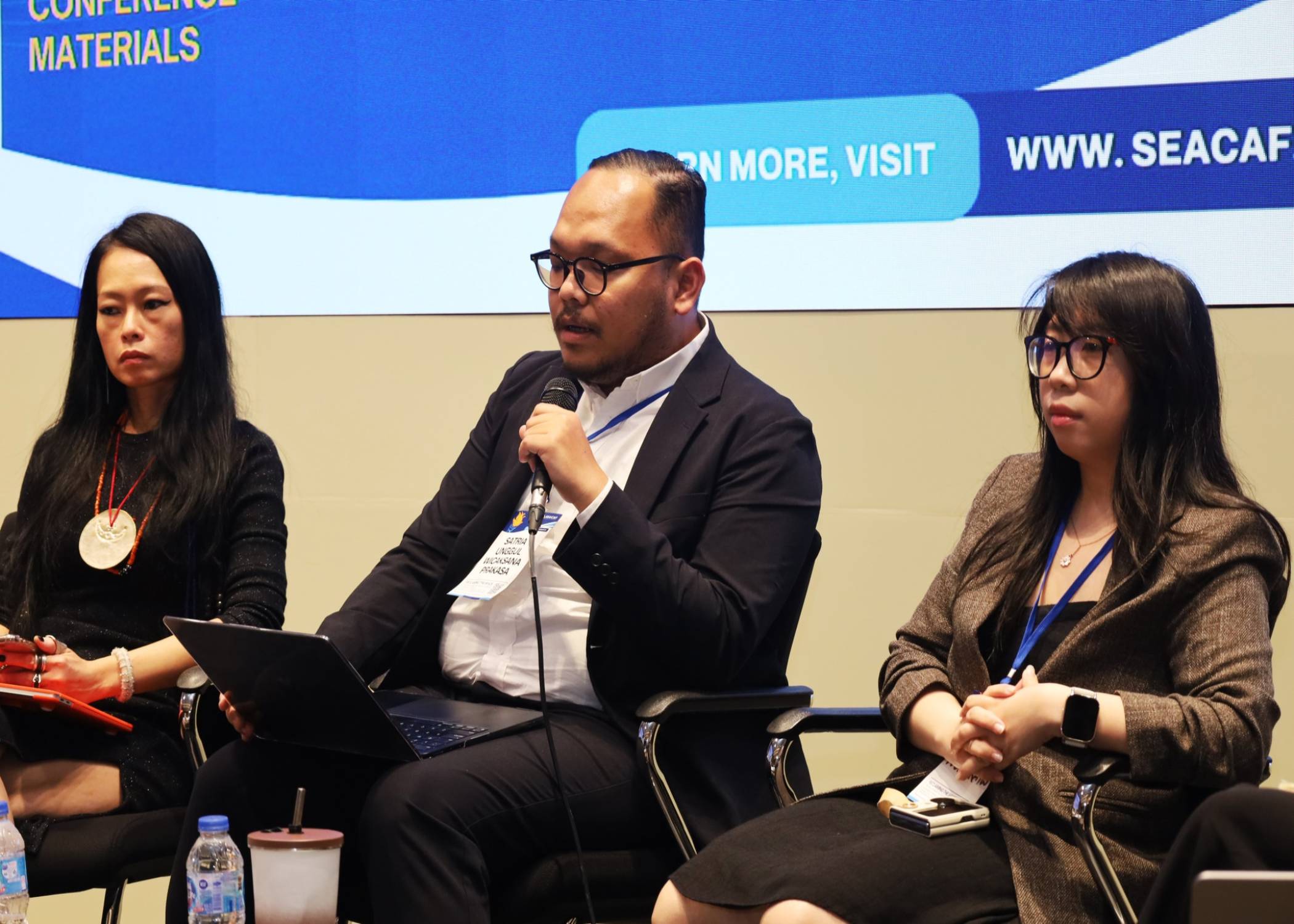
Shaped through a two-day regional consultation involving academics, civil society representatives, and human rights advocates from Indonesia, Malaysia, Thailand, and the Philippines, the Principle draws on internationally recognised human rights standards while confronting the specific political realities of the Southeast Asian context, realities that global frameworks too often gloss over.
“Academic freedom is not a Western privilege or an elite concern,” said Sae-Chua. “It is the condition under which truth can be pursued, power can be questioned, and knowledge can serve
the public, not the powerful. This Principle is our region’s answer to those who would rather we stayed quiet.”
The Principle aims to address the full spectrum of threats facing Southeast Asian academic communities today: direct state interference, self-censorship driven by fear, precarious employment used as a tool of control, and the growing instrumentalisation of national security laws against universities. SEACAF, together with its partners, calls on governments, institutions, and regional bodies, including ASEAN, to treat academic freedom not as a courtesy but as a non-negotiable human right, the very institutional autonomy and protections the Principle seeks to embed.
Critically, the framework does not shy away from naming the contradiction at the core of the region’s development agenda: that no nation can build a knowledge economy while simultaneously policing what its scholars are allowed to know, teach, or say.
“What we are seeing across the region is not incidental,” said Rommel Rodriguez, Member of the International Advisory Council of Scholars at Risk. “The erosion of academic freedom is a policy choice. Universities are being turned into instruments of conformity rather than engines of critical thought. What happened to students in the Philippines who simply demanded accountability, what continues to happen to scholars in Indonesia and to an entire education system in Myanmar, these are not isolated incidents. They are a pattern. This Principle is a commitment from the academic community that we will not normalise that, and that solidarity across borders is both possible and necessary.”
The launch was endorsed by academics, union representatives, human rights advocates, and reflecting the breadth of constituencies that recognise academic freedom as a matter of democratic survival, not academic privilege. SEACAF also calls on universities, governments, civil society organisations, and regional bodies to formally endorse the Principle, integrate its standards into institutional policy, and join a growing regional movement committed to the idea that the freedom to think is inseparable from the freedom to live with dignity.