Local officials have formed a specialized technical working group to prepare for a severe “super dry” spell and potential water shortages expected to hit the city early next year.
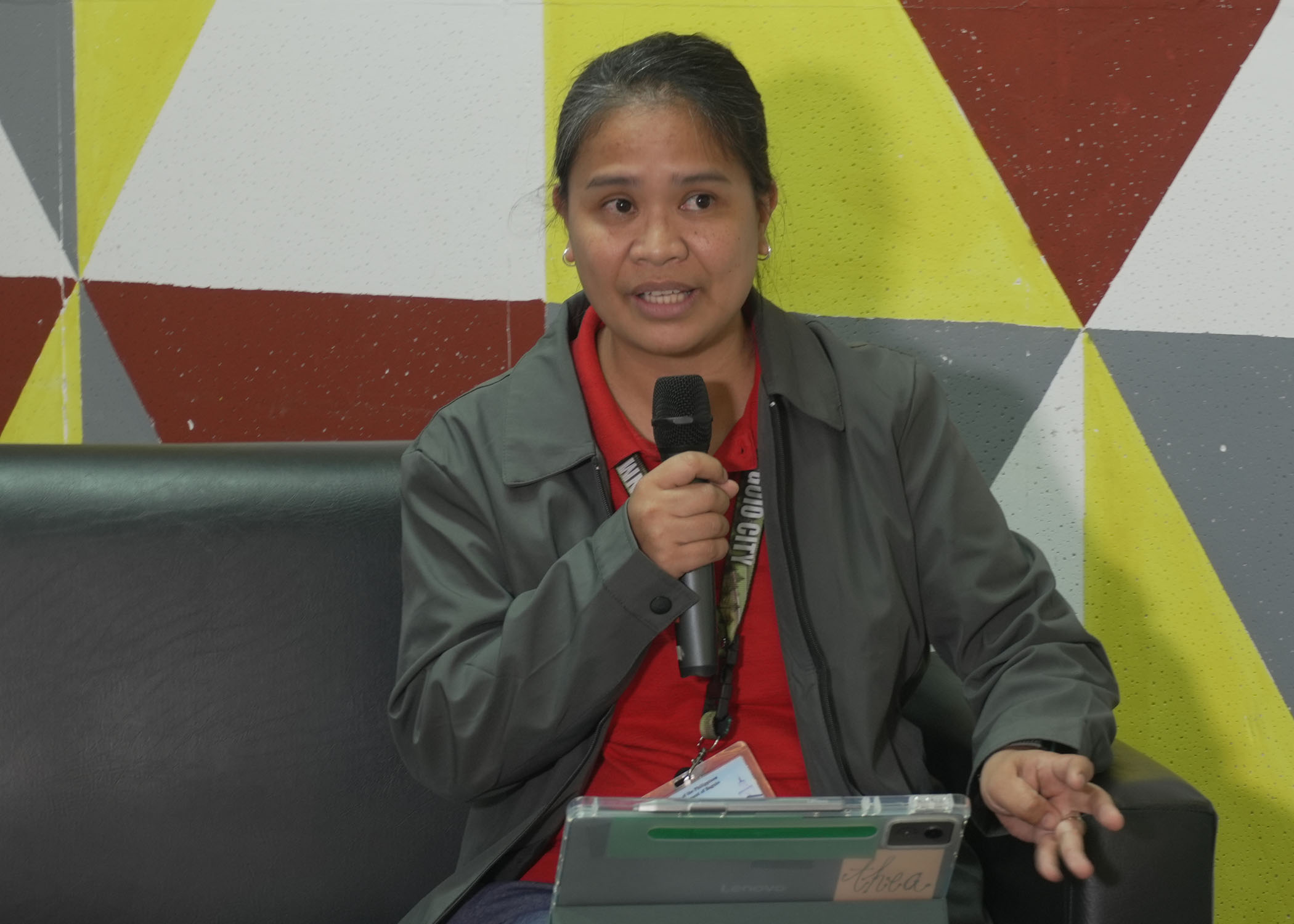
Engr. Thea Camiring-Mabiasan of the City Planning and Sustainability Office said the team is drafting mitigation strategies focusing on water, energy, and transport conservation. The city’s contingency plan integrates climate outlooks from state weather bureau PAGASA and baseline water demand data from the Baguio Water District (BWD).
Camiring-Mabiasan said the city is leveraging the current rainy season to harvest and store water before the drought severely impacts the local supply with the BWD tracking water supply baselines since December 2025 to guide conservation efforts.
“According to PAGASA’s projections, there is a 92% chance of an extreme El Niño occurrence,” Camiring-Mabiasan said. “It is highly likely to happen.”
To manage its response, the city is implementing a color-coded timeline that begins with the Blue phase from June to August, focusing on rainwater harvesting and infrastructure repairs.
This overlaps with the Green phase from July to September, which works to replenish natural water sources.
As the dry period nears, the Orange phase from September to December prepares the city for water rationing, ultimately leading to the Red phase from December 2026 to May 2027, which marks the peak of the drought and coincides with the city’s peak tourist season.
“We enter the onset of the dry season by October,” Camiring-Mabiasan said. “By early next year, projections show a ‘super El Niño’ or super dry spell that could last until May.”
As a mitigating measure, the city now also requires large commercial buildings and new building permit applicants to construct their rainwater storage facilities to ease the burden on the main water supply.
However, Camiring-Mabiasan clarified that although they are promoting rainwater harvesting, the public cannot use collected rainwater for cooking or drinking yet because of safety and filter limitations.
“For it to be portable na magagamit mo siya as pang-luto o pang-inom, malayo-layo pa tayo don,” Camiring-Mabiasan admitted, explaining that gathered rainwater should only be used for cleaning, flushing toilets, and watering plants.
Aside from rainwater harvesting, the city is also mapping out water rationing plans if water sources dry up completely.
Camiring-Mabiasan also suggested that the city can step in to support BWD’s limited delivery fleet by utilizing city-owned trucks to deliver water from its natural springs directly to the affected neighboring areas.
“Kung sa city, umaasa lang din tayo sa supply ni BAWADI,” Camiring-Mabiasan stated. “We do not have yung own natin na water supply.”
Camiring-Mabiasan noted that during the past dry seasons, relying solely on some of standard deliveries left many areas affected.
“The experience kasi from the past, mahirap magpadeliver ng water kahit kanino—even private, even kay BAWADI and we understand din naman na iilan lang ang kaniyang water deliveries,” she added.
Because of the impending limits of supply, the city is asking residents and establishments to prepare before the dry weather gets worse.
“Conserve water as much as possible, reuse, and we prepare for the upcoming El Niño, we invest sa mga water storage,” Camiring-Mabiasan urged. “Kahit gustuhin natin na sana ay 24/7 ang ating water supply during that time, it cannot be possible, so magtulungan na lang po tayo”.
She also encouraged the public to quickly report any outbreaks or cases of sicknesses caused by water-borne or vector-borne diseases. Clariz Hidalgo/UC Intern