A demand to be heard has been made by stakeholders of the Baguio City Public Market.
The two-day market summit opening June 5, 2026 called on the government to include partners in the crafting of the Baguio Public Market Master Development Plan and amendments to the market development code.
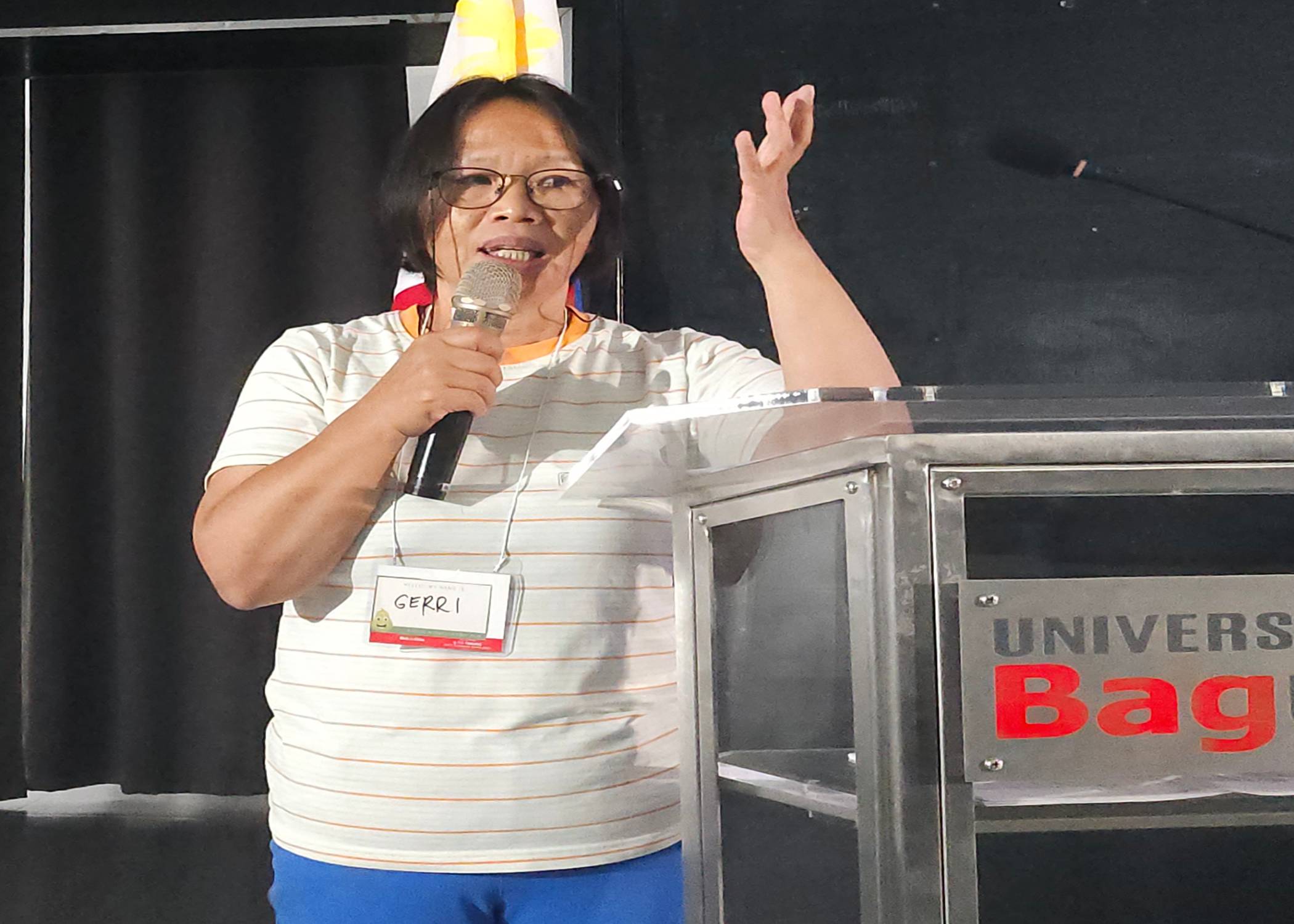
Geraldine Cacho, Chair of Tongtongan ti Umili (TTU), said, “We assert that the market is a place rich in social relationships, cultural practices, communities, and heritage. It is not merely a revenue-generating unit of the local government. It belongs to the people. It renders valuable, meaningful public service. It enables local citizens to thrive on their own terms.”
The first Market Summit, held at the University of Baguio Centennial Hall, gathered stakeholders for the presentation of community-led research and the drafting of a market development agenda for the Baguio City Public Market, featuring options for market financing with governance and legal presentations.
Participants also underwent a workshop to help craft a market development plan with vendors, consumers, and suppliers, which was presented on the final day.
The summit highlighted multi-sectoral participation to present specific plans and visions for the Baguio public market. Each group (vendors, consumers, and suppliers) took the stage to detail their grassroots proposals, focusing on development that directly supports the livelihoods of local merchants rather than corporate expansion.
The presentations highlighted concerns of the market community, ranging from infrastructure improvements to daily operational challenges. Vendors from the vegetable and dry goods sectors emphasized the need for affordable space, clean facilities, and protection from displacement, while consumer representatives stressed the importance of keeping basic goods accessible and fair.
Cacho said, “When it comes to development, we assert that the market workers, farmers, fishers, consumers, and the transport sector—along with artists, technical experts, academe, advocates, and other concerned citizens—should be involved.”
Cacho detailed the grassroots participation needed in creating the market master development plan, including involvement in revising and drafting the market code for governance led by the market communities. “We want a public market that strengthens and thrives in our local economies, cultures, and communities. We demand that our elected officials invest in and protect local interests and well-being above all else.” Maria Elena Catajan with reports from John Larry “Lala Dy” A. Agtarap, UC Intern