An advocacy to treat children with clubfoot is making strides in Baguio City and the Cordillera.
“Here in CAR, we are so happy that over the last 12 months, 100% of patients were under 12 months old at their first visit,” said Philippine NGO Council on Population, Health and Welfare (PNGOC) Executive Director Maricar Laigo-Vallido.
With partner hospitals and doctors, early detection, treatment, and support are being extended to 128 children with clubfoot at the Baguio General Hospital and Medical Center (BGHMC), while the Benguet General Hospital (BGH) caters to 140 children from all over the region.
Clubfoot is a disability that affects more than 3,000 Filipino infants every year. However, the condition is highly treatable, especially if addressed early. The PNGOC, an NGO that has been working on various health programs around the country since 1987, is helping bring free treatment to children with clubfoot nationwide through the support of MiracleFeet, a United States-based foundation. MiracleFeet supports more than 100,000 children with clubfoot around the world.
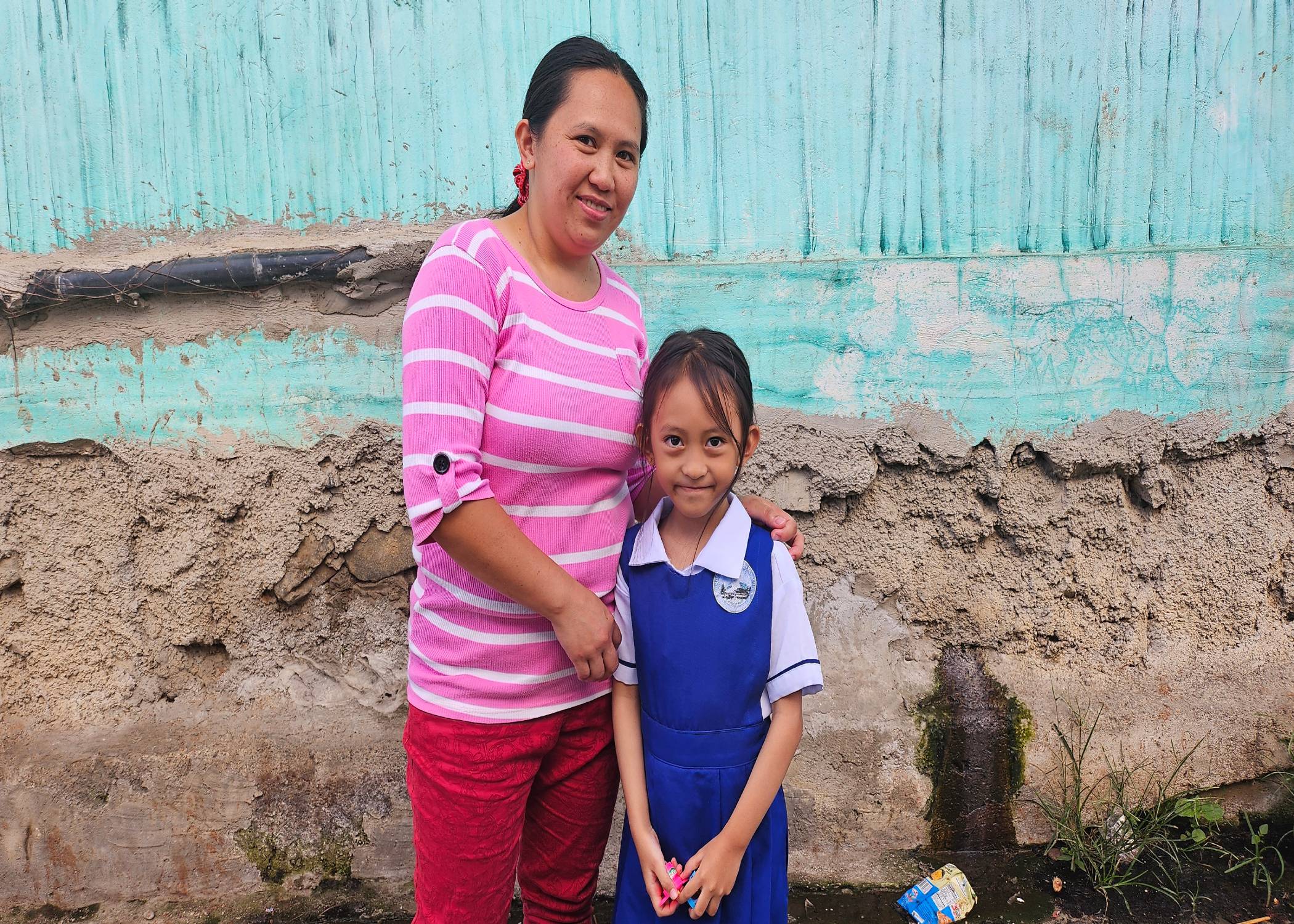
One success story shared by PNGOC is six-year-old Katnis Enid Regasa, a child born with clubfoot who underwent casting and foot bracing for five years, enabling her to rise above her initial diagnosis and live life to the fullest.
Pediatric- Orthopedic Surgeon and President of the ASEAN Pediatric-Orthopedic Society, Dr. Rosalyn Flores and the PNGOC team traveled to Kias, Baguio City, on June 17, 2026, to conduct a post-treatment follow-up and evaluation of Katnis. The visit aimed to assess her physical mobility, demonstrate home exercises to her family, and ensure that financial support remains accessible to the patient.
Katnis was diagnosed with bilateral clubfoot (kapingkawan sa paa) at birth and began a non-surgical corrective casting program at two weeks old under the care of Dr. Flores at BGHMC.
Now six years old, Katnis can walk, run, and squat. She is ready for first grade and is finally able to wear school shoes.
Vallido emphasized, “Importante talaga na marinig din ng ibang magulang sa eskwelahan o sa komunidad ang kwento ni Katnis, para malaman nila na hindi dapat ikahiya ang ganitong kondisyon dahil nagagamot ito.”
During the visit, Katnis’ mother, Julie, recalled her initial reaction to seeing her daughter’s condition: “I felt like I was questioning myself, asking what I did wrong for it to turn out like this.”
Dr. Flores reassured the family that the condition occurs at random and is treatable, highlighting the importance of proper care and early intervention.
Clubfoot remains a prevalent congenital birth defect in the Philippines, affecting more than 3,000 infants annually. Left untreated, it causes permanent physical impairment, stigma, and restricted access to education.
“That’s also what we want—what we call ‘early detection.’ Or as much as possible, at the point of birth. Wherever you give birth, you should be told right away that your child can be cured. The first sign of a relapse is when the foot starts to turn inward again. We need to monitor that, which is why we want regular follow-up so we can easily stretch it, cast it, or do therapy if it tightens up again,” Dr. Flores said.
The PNGOC utilizes grants from MiracleFeet to fund free treatment across 37 partner clinics nationwide under the Philippine National Clubfoot Program.
In the Cordillera Administrative Region (CAR), BGHMC and BGH provide free treatment for clubfoot, led by a team of experts trained in the Ponseti Method, the prescribed global standard for the condition.
Vallido highlighted that the program also provides round-trip transportation reimbursements for patients and their guardians, requiring only a certificate of indigency from their respective barangay halls.
Explaining the relief this brings to parents, Vallido said, “When you see that money, and you worry about the fare, our program actually covers the transportation expenses. We reimburse it so they won’t drop out of the program. We urge everyone to contact us or to help us bring children with clubfoot to treatment. No Filipino child should have to grow up with clubfoot when we now know that the condition is treatable.” By John Larry “Lala Dy” A. Agtarap, UC Intern