Local transport groups and residents are calling on the government to move beyond temporary subsidies, or “ayuda,” as fuel prices in the city have nearly doubled following global Middle East tensions.
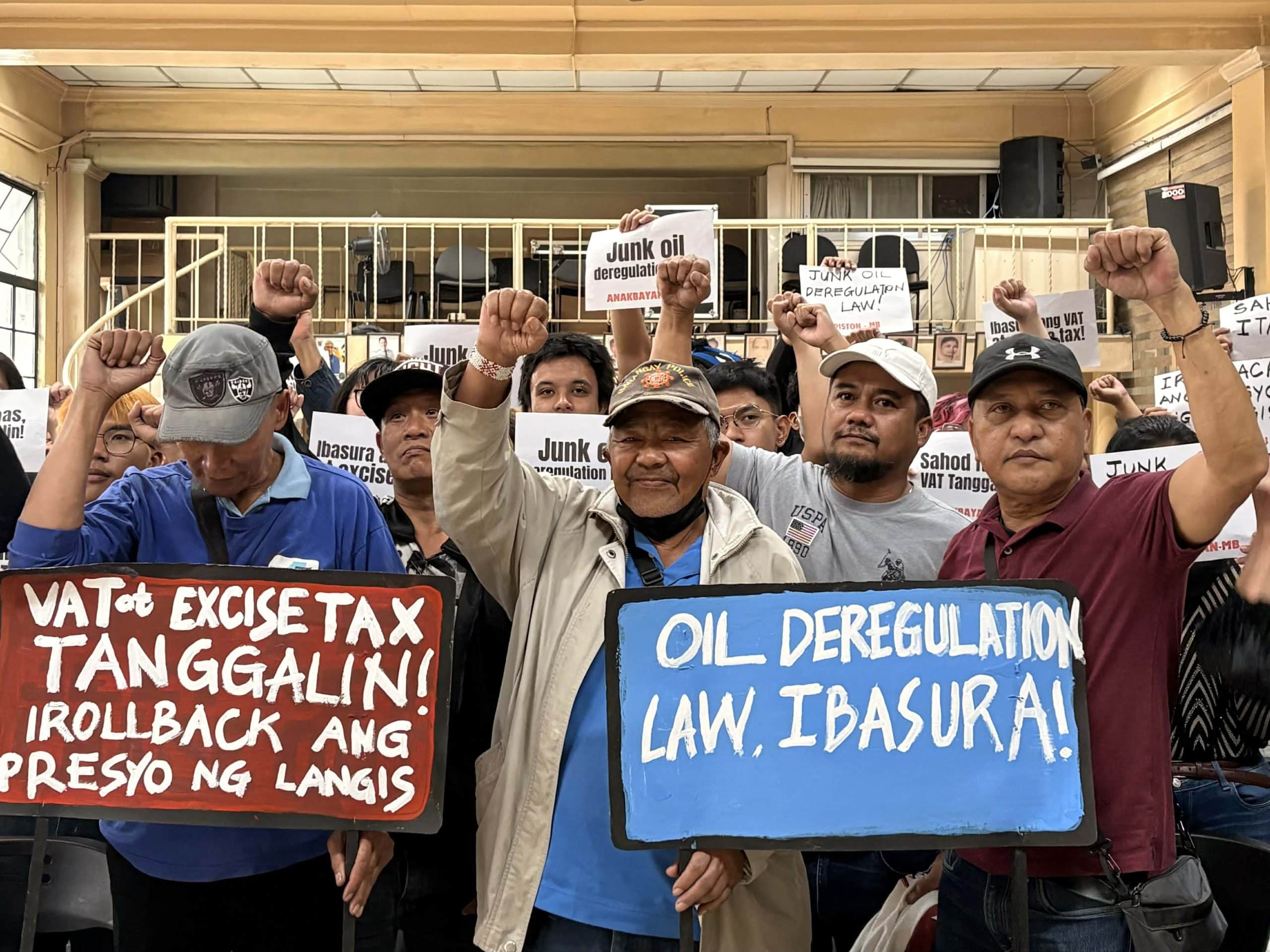
During a People’s Forum at the Baguio City Session Hall on March 21, drivers and advocacy groups argued that current government interventions are insufficient to offset rising operational costs and the suspension of a proposed ₱1 to ₱2 fare increase by President Ferdinand Marcos Jr.
As of March 25, diesel prices ranged from ₱125 to ₱143 per liter, while gasoline stood between ₱94 and ₱97.
The Baguio City Public Information Office (PIO) reported that the city government has started giving ₱5,000 as of Wednesday, March 25, to public utility jeepney drivers operating on different routes in the city.
These funds come from the city’s Assistance to Individuals in Crisis Situation (AICS) program and are being released through the City Social Welfare and Development Office to drivers who meet the required documents and are endorsed by their jeepney associations.
However, Josefino Bautista, who has been plying the PNR route for more at least two decades, said the subsidy process itself creates a financial burden.
“Even the documents required for submission involve fees,” Bautista said in Filipino, noting he recently paid ₱80 for processing. ” They must understand that drivers do not have the luxury of time to process these requirements because of our daily work.”
Economic Ripple Effects
Nikko Byazon, of the PARA-Commuters Network – Baguio Chapter reported that after fuel and “boundary”, many drivers take home only ₱150 to ₱500 daily. This has led many to stop operating, resulting in longer queues for commuters.
The crisis has also hit the local food supply chain.
Sofia Villanueva, president of the Women Vendors Association, noted that vendors rely on public transport for deliveries.
“The ₱3,000 or ₱5,000 subsidies are only temporary and will easily vanish,” Villanueva said. “The government should focus on long-term solutions.”
Calls for Systemic Change
Sangguniang Kabataan Federation President John Rhey Mananeng criticized the “ayuda” system, questioning the lack of a concrete plan for petroleum sustainability. He contrasted the lack of transport funds with billions allegedly lost to “ghost” projects in other departments.
While Presidential Communications Office Undersecretary Claire Castro stated on March 24 that the administration does not yet consider the situation an “oil crisis,” local leaders disagreed.
Levi Glen of Tongtongan ti Umili called for the nationalization of the oil industry to control prices, while Mike Cabangon, spokesperson for PISTON-Metro Baguio, urged the government to scrap the 12% Value Added Tax (VAT) and excise taxes on fuel.
“Removing VAT and excise tax would immediately reduce basic goods prices by around ₱15,” Cabangon said. Lyndee Buenagua, Angela Dawn Gonzales/UP Baguio Interns