
Construction is set to begin this year on the P1.19 billion Baguio City Integrated Terminal (BCIT), a project officials say will finally move provincial buses out of the central business district to solve the city’s chronic traffic congestion.
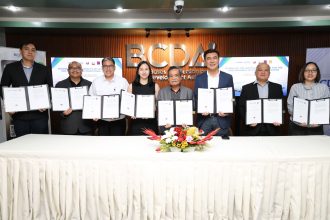
The project, the first Public-Private Partnership (PPP) for the Summer Capital follows a lease contract signed Jan. 21 between the local government and Megawide Construction Corp. City officials and Megawide representatives met Feb. 18 to finalize implementation details for the five-hectare hub in Barangay Dontogan along Marcos Highway.
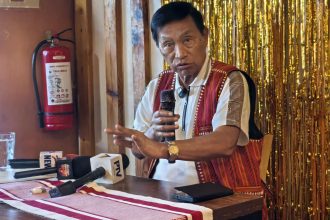
Mayor Benjamin Magalong said the project is the result of six years of exploratory talks and a “tedious and transparent” bidding process.
“We underwent a very difficult experience, and now we are ready to implement it,” Magalong said.
A ‘First-World’ Hub
The BCIT is modeled after the Parañaque Integrated Terminal Exchange (PITX) in Metro Manila. Megawide officials said the facility will replace the disorganized terminals currently lining Governor Pack Road, which they noted do not comply with Department of Transportation standards.
The new terminal will feature modern amenities such as free Wi-Fi, passenger information kiosks, and retail and food outlets with ramps and elevators for persons with disabilities including 24-hour security and a dedicated police unit.
The facility will also feature cultural identity with an iconic design reflecting Baguio’s heritage.
Impact on Commuters and Fares
Located approximately 5 kilometers from the city proper, the terminal will serve as a transfer point for 25,000 daily passengers. Commuters will transition to the town center via modern and traditional jeepneys, UV Express units, and taxis.
Megawide Chief Business Development Officer Jaime Raphael Feliciano said the shift could potentially lower fares for those coming from outside the city because provincial buses will have a shorter journey distance. However, he noted that any fare changes must be coordinated with the Land Transportation Franchising and Regulatory Board (LTFRB).
“The current mindset is that everyone must end their journey at Governor Pack Road,” Feliciano said. “By bringing them to a point closer to their destination, the overall out-of-pocket cost will be the same, if not cheaper.”
Magalong clarified that while shuttles will be available to ferry passengers into the city, they will not be free. The city plans to use a “yellow line” system—a data-driven approach to designated routes common in other Asian countries.
Economic Windfall
The city government expects to earn more than P2 billion over the project’s 40-year contract life. This includes an estimated P1.8 billion in lease payments and revenue sharing, plus business permits and real property taxes.
Megawide Business Development Manager Milestill Young said the project aims to finish construction within a maximum timeline of two years. Tuesday Javar and Lyndee Buenagua/UP Baguio intern